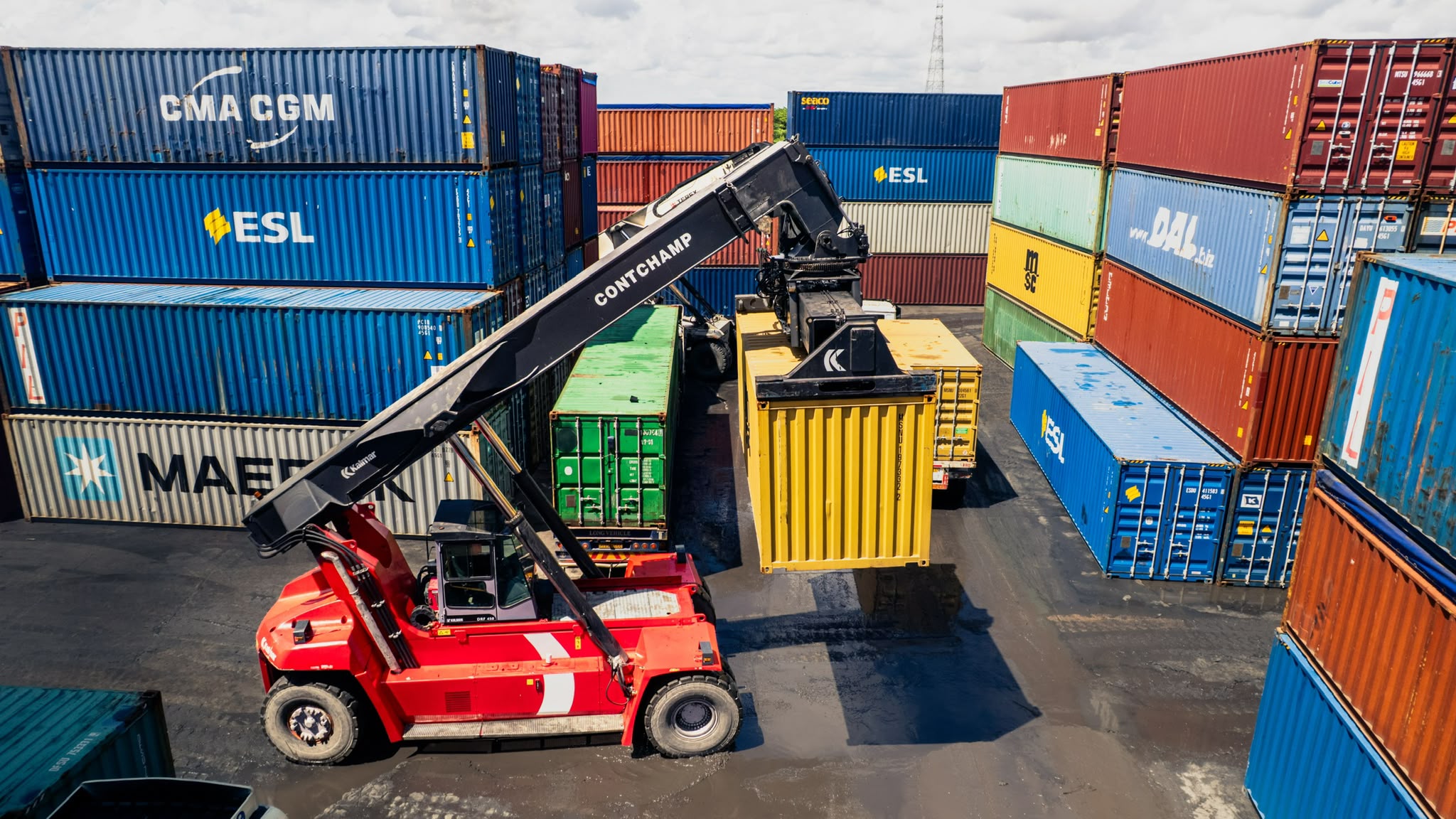
Buying Used Reach Stackers from Europe: An Inspection Checklist
A used reach stacker from Europe can be an excellent investment — European fleets are generally well-maintained, and the strong secondary market means good availability across multiple brands and capacity classes. But the difference between a profitable purchase and a costly mistake comes down to the quality of the pre-purchase inspection.
At Renova Trade, we inspect every machine before we advise a client to commit. Here is the checklist our inspectors follow.
Operating Hours: The first and most obvious data point. A reach stacker with under 10,000 hours is considered low-hour and typically has plenty of life left. Machines with 15,000–20,000 hours need closer scrutiny of the engine, transmission, and hydraulics. Above 25,000 hours, factor in a major overhaul within 12–18 months.
Boom and Chassis Condition: Inspect the boom for weld cracks, distortion, or previous repairs — especially around the pivot points and the telescoping sections. Check the chassis for stress fractures near the outriggers and the turntable mounting. Corrosion is less common in European inland fleets than in coastal operations, but it still occurs.
Spreader and Hydraulics: Test all spreader functions — twistlocks, side shift, boom extend/retract — and check for hydraulic leaks at every cylinder and hose connection. Slow or jerky movement usually indicates worn control valves or air in the system. Check the oil for contamination.
Engine and Transmission: Review the service history for oil changes, filter replacements, and major component replacements. A missing service history is a red flag. Check coolant condition and look for signs of coolant or oil leaks. Test the transmission under load — listen for unusual noises during direction changes.
Tyres and Brakes: Reach stacker tyres are expensive. Check remaining tread depth and look for uneven wear patterns that could indicate alignment issues. Test the service brake and parking brake performance.
Service History: A complete service history with regular scheduled maintenance is worth paying a premium for. If the history is incomplete, assume the worst and budget for a full service and inspection of all major systems after delivery.
Documentation: Verify the CE marking, serial numbers match the registration documents, and that any outstanding liens or finance agreements are cleared before payment.